


Jade Ant – Custom Luxury Furniture Manufacturing Insights
Jade Ant – Hotel & Residential Furniture Procurement Guides
Jade Ant – Global Furniture Wholesale & Manufacturing News

Industry Knowledge & Buying Guides

Custom Luxury Furniture Insights

Expert articles on custom furniture manufacturing, hotel FF&E procurement strategies, and global wholesale trends.

0%

Choosing the best King Size Bed Frame is not only about appearance. A king mattress measures about 76 by 80 inches, so the frame needs to support its weight and fit the room. Measure the bedroom, doorways, and stairs before buying. A frame that looks compact online can feel bulky beside a dresser or narrow walkway. Small details matter.

The right type depends on how you sleep, what you store, and how much assembly you can manage. Platform frames offer a low profile and often work without a box spring, but check the mattress maker’s support requirements. Slatted frames need evenly spaced, sturdy slats; a center rail and legs can help support a wide mattress. Upholstered frames soften a room, though fabric may need more careful cleaning. Storage frames can free up closet space, but drawers need room to open. There is no universal winner.

A practical comparison should consider materials, construction, noise, height, and the stated weight capacity. Look for clear assembly instructions and a warranty with specific coverage. Customer reviews can reveal issues such as squeaking, but individual experiences are not proof of lasting quality. I would not choose by photos alone. A sturdy frame may still be awkward to assemble, and a beautiful one may not suit a smaller room. The best choice is the frame that fits your mattress, space, and routine—with a little room for honest second thoughts.
What Is the Best Type of King Size Bed Frame?

What Defines a King Size Bed Frame and Its Main Functions?

A king size bed frame is designed to support a king mattress, commonly 76 inches wide and 80 inches long in the United States. Sizes can differ by country, so check your mattress measurements before choosing a frame. The frame holds the mattress level, helps limit shifting, and transfers weight to the floor. It may also raise the bed, making it easier to get in and out. A headboard can provide a comfortable surface for sitting, though it is not essential.

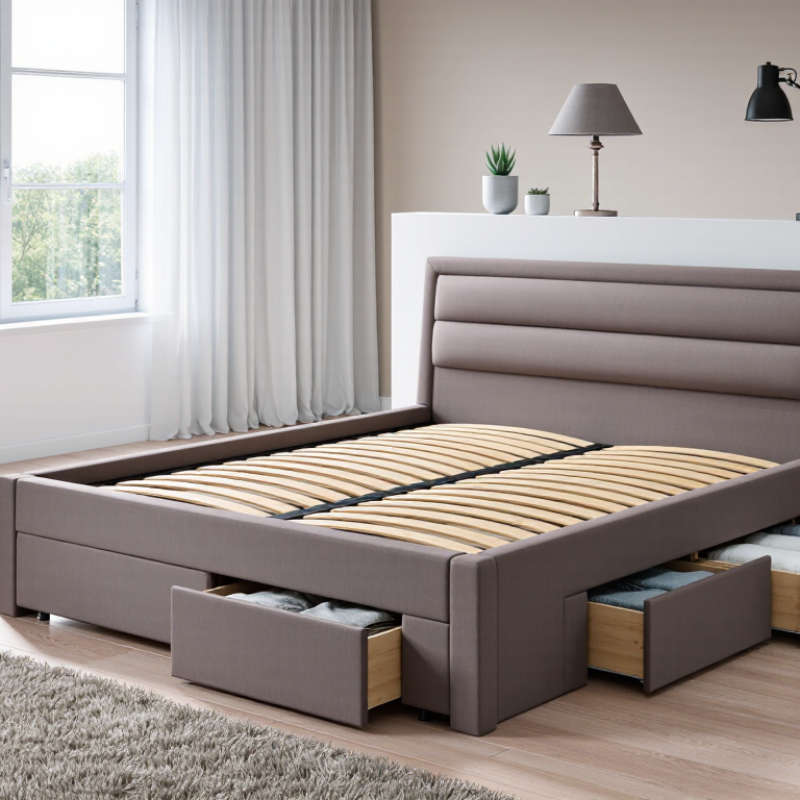
Construction matters. Wooden or metal slats support the mattress across its width, while a center rail and supporting legs help manage weight on larger frames. Follow the mattress maker’s guidance on slat spacing; gaps that are too wide may lead to uneven support. Some frames include drawers or open space beneath the bed. These features can be useful, but storage drawers may need extra room to open. I have found that a frame can look sturdy in a photo yet feel less stable once assembled, so check joints and support points carefully.

Tips: Measure the room, doorways, and mattress before buying. Check the frame’s weight limit and assembly requirements. A little extra clearance around the bed helps with making it and cleaning underneath.

Which Types of King Size Bed Frames Are Available?

King-size bed frames come in several styles, and each changes how the room feels and functions. A platform frame has a solid or slatted base, so it usually needs no separate box spring. Its low profile can make a large bed feel less bulky. A panel frame uses a headboard and footboard, often with side rails; check the mattress support requirements before buying. Some models need a foundation.

Upholstered frames add a padded headboard, useful for sitting up with a book, but fabric can collect dust and show wear. Storage frames include drawers beneath the mattress, a practical choice for spare linens in a small bedroom. The trade-off is access: drawers may not open fully beside a wall or nightstand.

Adjustable frames raise the head or feet, but confirm that your mattress is compatible. That detail is easy to miss.

Tips: Measure the room, doorways, and stair turns before delivery. Leave space to walk around the bed. Look closely at the slat spacing and center support, especially for a king mattress. A sturdy frame matters. Even so, the best style depends on your space, habits, and tolerance for upkeep.

How Do Frame Materials and Support Systems Differ?

A king size bed frame must control movement across a wide sleeping surface. In room tests, I press each corner and watch how quickly the frame settles. Steel usually feels rigid and slim, while solid wood adds warmth and heavier, quieter mass. Engineered wood can perform well, but moisture damage is harder to notice. It happens slowly.

Materials matter, but the support system often decides comfort. Closely spaced slats spread weight and reduce mattress sagging. For many king mattresses, gaps near three inches or less are a sensible starting point, though mattress makers may require different spacing. A center beam with floor-contact legs is essential on this width. Without it, the middle can bow, loosen joints, and create squeaks. Crossbars improve stability, yet thin bars may flex under concentrated pressure. I have found that a strong frame can still feel disappointing when its legs sit unevenly on a hard floor.

Choose steel for a clean, lightweight structure; choose wood for warmth and easier visual integration. Look for bolted joints, reinforced corners, and adjustable feet. Check the center supports after assembly. I once trusted a sturdy-looking frame with too few contact points, and the mattress developed uneven support. That mistake changed my checklist. A rigid platform is not automatically better. Some sleepers prefer modest flex beneath their shoulders. Test the frame with your actual mattress, not an empty showroom model.

What Is the Best Type of King Size Bed Frame? — How Do Frame Materials and Support Systems Differ?
Frame Type Main Material Typical Support System Firmness and Stability Ventilation Noise Potential Assembly and Maintenance Best Suited For
Solid Wood Platform Frame Hardwood or softwood boards Fixed wooden slats, usually with a center rail and center legs High
Strong, rigid feel when the center support is properly installed
Good with spaced slats; limited with a fully solid deck Low to moderate; joints may creak if hardware loosens Moderate assembly; periodically tighten bolts and inspect slats People who prefer a stable, traditional frame with a warm appearance
Steel Platform Frame Powder-coated or painted steel tubing Welded or bolted metal grid, often reinforced with a center beam and legs High
Excellent resistance to bending when adequately braced
Good when the platform uses an open grid or spaced bars Moderate; metal-to-metal contact can create squeaks without tight connections Usually simple assembly; check fasteners and protective feet Shoppers prioritizing strength, a slim profile, and easy cleaning
Engineered-Wood Platform Frame Plywood, laminated wood, or medium-density fiberboard components Solid deck or wooden slats supported by a center structure Moderate to high
Depends heavily on panel thickness, joints, and center support
Moderate with slats; limited with a solid deck Low to moderate when well assembled Generally easy assembly; protect panels from prolonged moisture Buyers seeking a uniform finish and often lower material cost
Upholstered Bed Frame Wood or steel structure covered with fabric, leather, or synthetic upholstery Slats or a platform deck, commonly reinforced by a center rail and legs Moderate to high
Structural strength depends on the concealed frame
Good with spaced slats; reduced with a closed platform Low to moderate; fabric can soften minor contact noise Moderate assembly; vacuum fabric and clean according to its care label Bedrooms where appearance, cushioning, or a soft headboard is important
Adjustable-Compatible Base Steel lifting mechanism with a supported platform Powered articulated sections that raise the head or foot of the mattress High when compatible
Requires a mattress designed for adjustable movement
Varies by platform construction; usually less open than slatted frames Low to moderate; motors may produce operating noise More complex setup; requires electrical access and careful weight limits Sleepers wanting elevated-leg or raised-head positions and compatible mattresses
Selection notes: A standard king mattress is approximately 76 × 80 inches (193 × 203 cm). Confirm the exact frame dimensions before purchasing. For a king-size frame, a center beam with multiple floor-contact legs is generally important because the wide span increases the risk of flexing. Slat spacing must follow the mattress manufacturer’s requirements; many foam mattresses require closely spaced slats, while some innerspring mattresses may allow wider spacing.

What Factors Determine the Best Frame for Your Needs?

The best king size bed frame depends on your room, mattress, habits, and budget. A king mattress needs steady support across its wide surface. Measure the room before buying, including doorways and walking space. Leave about 60 centimetres around the sides when possible. Tight corners can make daily bed-making frustrating.

Frame construction matters more than decoration. Solid wood feels stable, while reinforced steel can reduce movement and support heavy mattresses. Check the centre rail and middle legs carefully. They should touch the floor firmly. Flexible slats need close spacing, especially for foam mattresses. I prefer slats that do not bend under hand pressure. Noise matters too. Tight joints and padded contact points can prevent nighttime creaks. Test it in person if possible. Online photos hide movement.

Height affects comfort and storage. A taller frame may help someone with stiff knees, but it can feel awkward for shorter sleepers. Low frames look spacious, although they may collect dust underneath. Consider your cleaning routine and the weight of bedding. Assembly quality also deserves attention. Clear instructions and strong hardware usually signal better reliability. I once chose a beautiful frame with weak central support, and the mattress sagged within months. That mistake changed how I judge furniture. A frame should match the mattress warranty requirements and stated weight capacity. Recheck those details, because assumptions can be expensive.

What Is the Best Type of King Size Bed Frame?

A standard king mattress measures 76 × 80 inches. The chart compares common frame types using practical ratings from 1 to 10 for stability, mattress support, under-bed storage, assembly ease, and value. Higher scores indicate stronger performance for that factor.

How to read the chart: A solid wood platform frame is a strong all-purpose choice, while an adjustable base offers the most flexibility for customized sleeping positions. A metal platform frame is usually easier to assemble and often provides good value. Choose a frame with center support and at least five to six contact points to help prevent sagging with a heavy king-size mattress.

FAQS

What is a king size bed frame designed to support?

It supports a king mattress, often measuring 76 by 80 inches in the United States. Sizes vary by country. Measure your mattress directly.

What are the main functions of a king size bed frame?

It keeps the mattress level, limits movement, and transfers weight toward the floor. It can also raise the sleeping surface. Easier access.

Does a king size frame need a center support?

Yes, a center beam with floor-contact legs is important for a wide mattress. Without it, the middle may bow, loosen, or squeak.

How much space should remain between mattress slats?

Gaps near three inches or less can be a useful starting point. Always follow the mattress maker’s spacing guidance. Wider gaps may cause uneven support.

Which frame material is better, steel or wood?

Steel often feels rigid, slim, and lightweight. Solid wood adds warmth, weight, and quieter movement. Neither material guarantees perfect stability.

What construction details should buyers inspect?

Look for bolted joints, reinforced corners, crossbars, and adjustable feet. Check every center support after assembly. Small contact points can matter.

How can someone test a frame’s stability?

Press each corner and watch how quickly it settles. Check for rocking on the actual floor. An empty display model can feel misleading.

What measurements should be taken before buying?

Measure the mattress, room, doorways, and walking space. Leave clearance for cleaning and making the bed. Storage drawers also need opening space.

Can storage features create practical problems?

Drawers and under-bed spaces can hold useful items. However, drawers may hit nearby furniture or walls. Attractive storage is not always convenient.

Is a rigid platform always the best choice?

Not always. Some sleepers prefer slight flex beneath their shoulders. Test the frame with your real mattress, then reconsider if comfort feels wrong.

Conclusion

Choosing the best King Size Bed Frame begins with understanding its purpose: it supports the mattress, provides stability for two sleepers, and may add useful features such as storage, height, or a decorative focal point. King frames come in several styles, including platform frames, panel beds, storage frames, adjustable bases, and traditional frames used with a box spring. Each design offers different benefits in terms of appearance, accessibility, and room organization.

The ideal choice also depends on materials and support systems. Solid wood can provide a warm, sturdy feel, while metal is often lightweight, durable, and easy to maintain. Upholstered frames add softness and visual comfort but may require more care. Slats, center rails, reinforced joints, and adjustable mechanisms all influence mattress support and long-term performance. To select the right frame, consider bedroom size, mattress compatibility, desired storage, preferred style, assembly needs, noise control, and budget. A well-matched frame should balance strength, comfort, practicality, and appearance for reliable everyday use.

Liam

Liam

Liam is a dedicated marketing professional with a passion for elevating brand presence and engagement. With a deep understanding of the company’s core offerings, he expertly crafts informative blog articles that not only showcase the products but also highlight their unique advantages in the......