Market Intelligence 2026–2030
Future Procurement Trends in the Global Luxury Wine Storage Sector
The global market for high-end wine preservation furniture is undergoing a rapid evolution driven by changing consumer behaviors, technological convergence, and heightened environmental regulations. Sourcing teams and interior designers must anticipate these trends when planning multi-year contract procurement projects.
1. Architectural Integration & Zero-Clearance Flush Fitment
Standalone retrofitted wine fridges are increasingly replaced by zero-clearance, built-in luxury wine display cabinets that blend invisibly into custom interior wall paneling and kitchen millwork. Modern procurement specifications demand front-breathing thermodynamic ventilation systems utilizing hidden base plinth intake and exhaust ducts. This allows cabinets to be recessed tightly into joinery without thermal choking or compressor failure.
2. IoT Telemetry & AI Sommelier Management
High-net-worth residential clients and luxury hotel operations require smart digital inventory tracking. Next-generation luxury wine cabinets incorporate internal RFID tag sensors and micro-cameras linked to AI inventory management applications. Users can monitor bottle locations, vintage aging milestones, cork health alerts, and real-time energy usage directly via mobile apps or hotel building management systems (BMS).
3. Eco-Friendly Refrigerants & Energy Star Mandates
With environmental legislation tightening across North America, Europe, and the Middle East, traditional HFC refrigerants (such as R134a) are being phased out in favor of zero-ozone depletion hydrocarbon refrigerants like R600a (Isobutane) and R290 (Propane). Jade Ant leads this shift by engineering all luxury wine cabinet refrigeration units with energy-efficient variable-speed inverter compressors, consuming up to 40% less energy while meeting global RoHS and Energy Star standards.
4. Biophilic Design & Tactile Material Fusion
Current aesthetics favor tactile natural materials combined with precision industrial metalwork. We see surging demand for luxury wine cabinets featuring fluted oak timber doors, organic brushed travertine tops, smoked bronze PVD stainless steel frames, and acoustic fabric-lined internal backwalls.
Strategic Sourcing Takeaway for Importers
By ordering custom wine storage built to 2026–2030 technical standards—utilizing R600a eco-refrigerants, low-energy inverter compressors, and modular CAD dimensions—wholesalers and developers protect their project investments against rapid technological obsolescence and regulatory compliance fines.

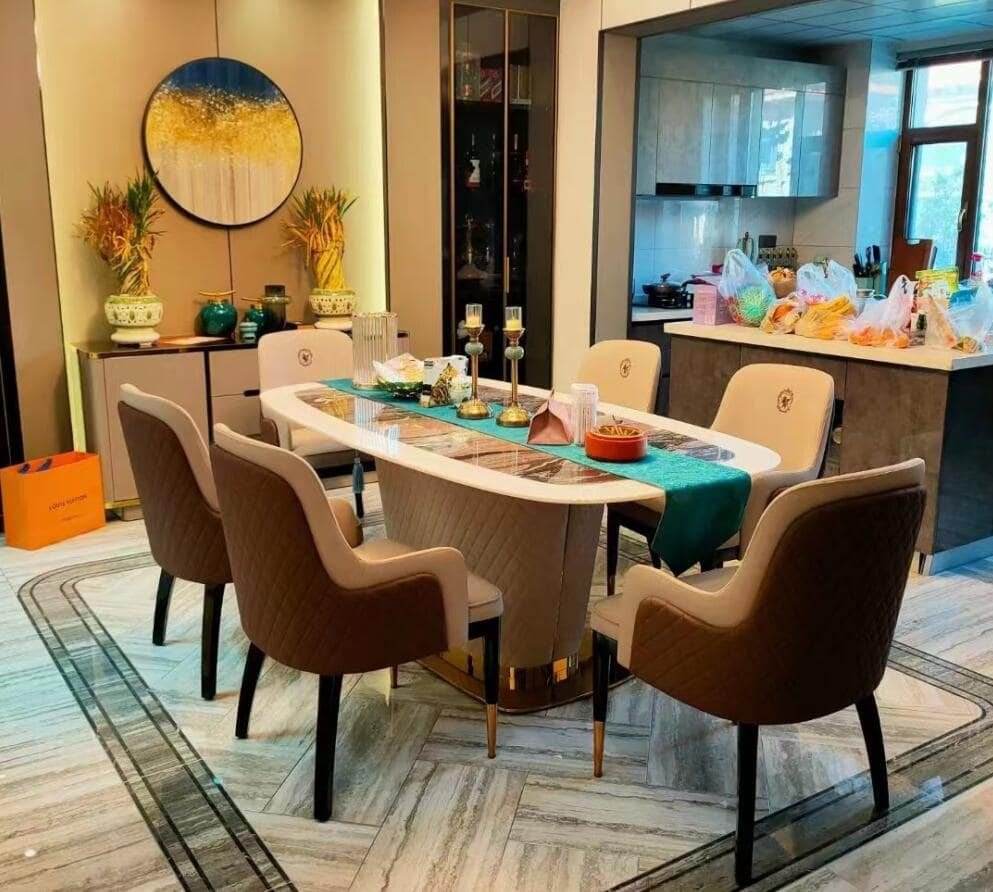 Best Seller for Dining Projects