


Jade Ant – Custom Luxury Furniture Manufacturing Insights
Jade Ant – Hotel & Residential Furniture Procurement Guides
Jade Ant – Global Furniture Wholesale & Manufacturing News

Industry Knowledge & Buying Guides

Custom Luxury Furniture Insights

Expert articles on custom furniture manufacturing, hotel FF&E procurement strategies, and global wholesale trends.

0%

Sourcing a Wooden Chest of Drawers in 2026 requires more than choosing an attractive photograph. Buyers must examine timber quality, construction methods, seller credibility, and the item’s practical history. A chest may look warm and substantial online, yet arrive with veneer lifting, swollen drawers, or a chemical smell. That gap matters.

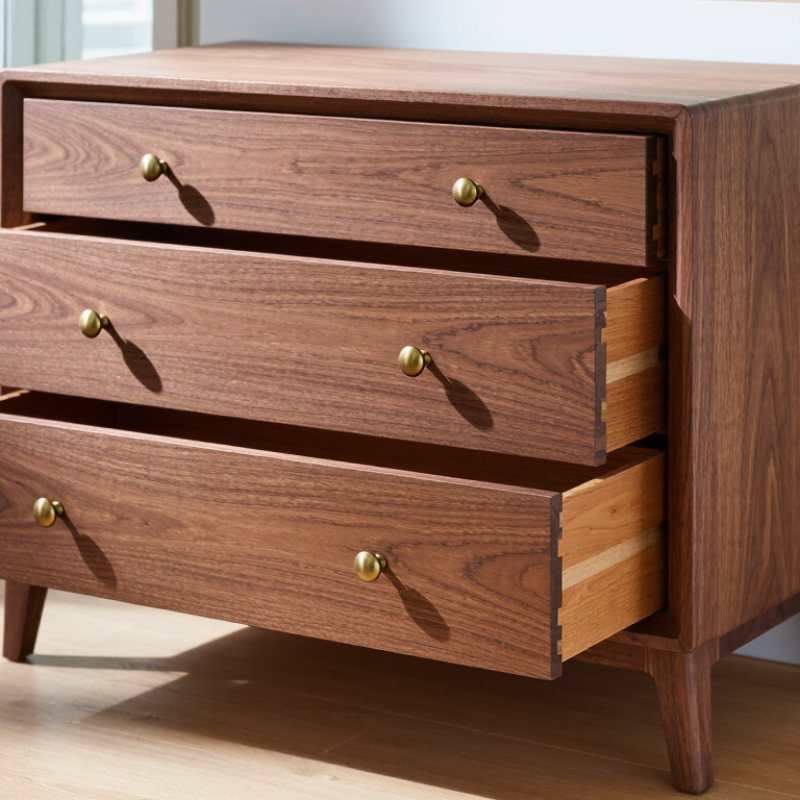
Furniture designer and craftsman William Morris offered a useful standard: “Have nothing in your houses that you do not know to be useful, or believe to be beautiful.” His principle still suits modern furniture buying. A reliable source should provide clear dimensions, close-up images, wood species, joinery details, and honest condition notes. Look for dovetailed drawers, smooth runners, stable legs, and solid rear panels. Ask whether the finish is original, restored, or newly applied.

The process is not perfectly predictable. Even experienced buyers can miss a repaired corner or underestimate delivery damage. I would not trust vague words such as “vintage style” without evidence. Request photographs of drawer interiors and cabinet backs. Check reviews beyond the seller’s own website. Compare prices across reputable retailers, antique dealers, and certified marketplaces.

Sustainability also deserves attention. Reclaimed wood can reduce demand for new timber, but its treatment history should be documented. Modern options should disclose responsible sourcing and low-emission finishes. In this guide, we will consider how to judge craftsmanship, verify descriptions, assess value, and purchase with fewer regrets. A beautiful chest is useful only when it remains sturdy, safe, and suitable for daily life.
How to Source a Wooden Chest of Drawers in 2026?

Define Your Storage Needs and Style Preferences

Before sourcing a wooden chest of drawers, define what it must store. Count folded shirts, documents, linens, and small accessories. Measure their depth, not only their width. Measure twice.

A practical chest usually needs 20–25% spare capacity for seasonal changes. Grand View Research valued the global furniture market at US$516.66 billion in 2022, with a projected 5.7% annual growth through 2030. That scale offers many choices, but quality varies sharply. Check drawer depth, slide smoothness, joint construction, and back-panel strength. Solid wood feels reassuring, yet engineered panels can resist movement better in unstable indoor climates. I once prioritized attractive grain and underestimated drawer clearance. It became an expensive mistake.

Style should support the room’s existing language. Choose warm oak tones for natural interiors, darker finishes for visual weight, or pale wood for smaller rooms. Keep handles simple when wall decoration already feels busy. Ask whether the finish is low-emission, especially for bedrooms. The Environmental Protection Agency reports that indoor pollutant levels can be two to five times higher than outdoor levels. Ventilate new furniture before regular use. Also inspect timber sourcing documentation, finish ingredients, and repair access. A beautiful chest with sealed, inaccessible runners may age poorly. Personal taste matters, but daily friction matters more.

Set a Realistic Budget for a Wooden Chest of Drawers

A realistic budget for a wooden chest of drawers should begin with size, wood type, and construction quality. In 2026, a compact solid-wood chest may cost about $250 to $600. Larger pieces with dovetail joints, thicker panels, and durable finishes often range from $700 to $1,500. Handmade furniture can exceed that range. Local prices vary considerably.

Measure twice. Then record every cost. Delivery, assembly, drawer liners, and minor repairs can add 15 to 30 percent. I once underestimated stair delivery and paid an unexpected $85 fee. That mistake changed how I compare listings. Ask whether the quoted price includes delivery and return handling. Request photographs of drawer interiors, back panels, joints, and finish damage. These details reveal more than polished front images.

A practical budget should also reserve money for inspection and maintenance. Set aside $40 to $100 for replacement knobs, wax, or touch-up supplies. For reclaimed wood, check for odors, moisture marks, loose joints, and insect damage. A low price is not always economical. Soft wood may dent under ordinary use, while a thin finish can show stains quickly. Ask the seller about wood species, manufacturing date, repair history, and finish ingredients. Written answers improve accountability. Still, online descriptions can be incomplete. Leave a 10 percent contingency, especially when buying from distant sellers or private listings. Personally, I would rather delay the purchase than remove that buffer.

How to Source a Wooden Chest of Drawers in 2026?

Set a Realistic Budget for a Wooden Chest of Drawers

For 2026 planning, a realistic budget is approximately $250–$600 for an entry-level wooden chest, $600–$1,200 for a well-built solid-wood or premium-veneer model, and $1,200–$2,500 for a large, handcrafted, or custom-made piece. These indicative ranges exclude delivery, taxes, and restoration.

Compare Wood Types, Construction Quality, and Sustainability

How to Source a Wooden Chest of Drawers in 2026?

When I inspect a wooden chest of drawers, I start with the wood species. Oak and maple offer dense fibres, strong screw holding, and a long service life. Pine costs less and feels lighter, but soft surfaces can dent under daily use. Rubberwood can be a sensible option when sourced from managed plantations. Engineered wood varies widely, so check its core, veneer, and moisture resistance. Look inside the drawers.

Construction quality often reveals more than a polished finish. Dovetail joints usually provide stronger drawer corners than stapled joints. Test each drawer for wobbling, uneven gaps, and scraping sounds. Full-extension metal runners improve access, while solid backs reduce racking. A thin backing panel may save money, yet it can make the cabinet feel unstable. I once trusted a beautiful finish too quickly. That was a useful mistake.

Sustainability requires more than choosing “natural” wood. Ask where the timber was harvested and whether independent certification supports the claim. Prefer repairable designs with replaceable handles, accessible runners, and durable finishes. A chest made from reclaimed wood may still contain hidden damage, old coatings, or inconsistent moisture levels. Check the seller’s documentation, not just the product description. Ask for proof. Packaging also matters; minimal cardboard and reusable protection reduce unnecessary waste. Still, local availability, shipping distance, and expected lifespan should be judged together. A cheaper cabinet may become waste sooner. That trade-off deserves honest attention.

How to Source a Wooden Chest of Drawers in 2026? — Compare Wood Types, Construction Quality, and Sustainability

Material / Wood Type Typical Density
(kg/m³, air-dry)
Approx. Janka Hardness
(lbf)
Durability for Drawers Sustainability Considerations What to Check Before Buying
Oak
Solid hardwood
600–750 Approximately 1,290
red oak reference
Very good resistance to dents and wear; suitable for frequent daily use. Long service life can reduce replacement demand. Prefer documented legal and responsibly managed forestry; avoid assuming that “solid wood” is automatically sustainable. Look for straight, well-matched boards, properly sealed end grain, tight joints, and allowance for seasonal movement.
Beech
Solid hardwood
650–730 Approximately 1,300 Hard, uniform, and suitable for drawer sides, runners, and cabinet frames; can move if poorly dried. Often available from regional temperate forests. Verify chain-of-custody documentation and kiln-drying practices. Check for cracks around knots, cup or bow, smooth drawer operation, and strong dovetail or dowel joints.
Pine
Solid softwood
400–550 Approximately 690
Scots pine reference
Lightweight and repairable, but more vulnerable to dents, scratches, and resin pockets. Fast-growing species can have a relatively efficient growth cycle. Prefer certified or clearly documented local/regional timber. Inspect knots, resin bleed, board thickness, corner reinforcement, and whether the finish protects high-contact surfaces.
Rubberwood
Solid hardwood
560–640 Approximately 960 Good strength for indoor furniture when properly kiln-dried and sealed; not intended for damp locations. Commonly sourced after latex production, which can make use of an existing agricultural resource. Confirm treatment, drying, and plantation-management details. Ask whether the timber was kiln-dried, check for mildew odor, inspect glue lines, and verify a low-emission finish.
Birch Plywood
Engineered wood
620–700 Approximately 1,260
solid birch reference
Very stable across the panel; strong choice for cabinet sides, drawer boxes, and bottoms when adequately thick. Efficient use of wood and dimensional stability can reduce waste. Look for formaldehyde-compliant panels and responsibly sourced veneers. Count veneer layers, check for voids, inspect edge sealing, and confirm that drawer bottoms are captured in grooves rather than simply stapled.
MDF with Wood Veneer
Engineered wood
600–800 Not directly comparable to solid wood Smooth and dimensionally consistent indoors, but edges can swell from water and screw-holding capacity is lower than many solid woods. Uses wood fibers efficiently, but resin emissions and difficult end-of-life separation should be considered. Prefer panels meeting applicable low-emission standards. Check sealed edges, panel thickness, screw reinforcement, veneer adhesion, and emissions documentation.
Particleboard with Laminate
Engineered wood
600–750 Not directly comparable to solid wood Acceptable for lighter-duty furniture when dry; vulnerable to swelling and fastener failure after moisture exposure. Can use recovered wood particles, but resin content, recyclability, and short replacement cycles affect the total impact. Press firmly on corners, inspect for exposed cores, check cam-lock and dowel quality, and confirm that laminate edges are fully sealed.
Construction Quality Checklist
Prefer solid or plywood drawer boxes, fully captured drawer bottoms, reinforced corners, smooth metal or hardwood runners, accurate alignment, and joints that remain tight when the drawer is pulled diagonally.
Sustainability Checklist
Request species and origin information, legal-harvest or chain-of-custody evidence where available, low-emission panel documentation, repairable hardware, replaceable runners, and a clear care or refurbishment plan.
Important Data Note
Density and hardness vary by species, moisture content, growing conditions, and test method. Janka figures are representative reference values, not a guarantee of product performance.

Reference basis: representative published ranges for air-dry wood density and Janka hardness; actual furniture performance depends on moisture content, panel construction, joint design, finish quality, hardware, and indoor use conditions.

Evaluate Sellers, Custom Options, and 2026 Buying Channels

How to Source a Wooden Chest of Drawers in 2026?

A reliable seller should explain the wood species, board thickness, joinery, and finish clearly. Ask for current photos showing drawer interiors, back panels, and corner joints. I also check whether drawers open smoothly and close evenly. Small gaps can reveal poor seasonal movement control. Reviews matter, but detailed comments are more useful than star ratings. Look for delivery damage reports, accurate measurements, responsive support, and written return terms. Request an invoice with the final dimensions and finish.

Custom furniture offers better control over room fit and storage needs. You might choose oak, walnut, ash, or a responsibly sourced alternative. Confirm the finish on a physical sample, because online colors often mislead. Ask about drawer capacity, soft-close hardware, cable openings, and wall anchoring. A maker should provide a drawing before production. Allow for reasonable wood variation. Perfect uniformity is not realistic. I once approved a digital color sample too quickly, and the finished piece looked darker than expected.

In 2026, compare local workshops, specialist furniture websites, verified online marketplaces, and curated secondhand channels. Local viewing helps you inspect weight, odor, movement, and craftsmanship. Online purchasing gives wider access, but measurements and delivery protection become critical. Digital consultations can clarify custom work, although they cannot replace touching the finish. Check production timelines before paying a deposit. Secure packaging, tracking, and damage procedures should be documented. If a seller avoids specific answers, pause before ordering.

Inspect, Verify, and Safely Purchase Your Chosen Chest of Drawers

How to Source a Wooden Chest of Drawers in 2026?

Inspect, Verify, and Safely Purchase Your Chosen Chest of Drawers

Begin with the wood, not the listing description. Ask for clear photographs of the top, back, underside, drawer interiors, and joints. Solid wood usually shows natural grain changes across each panel. Veneer can still be durable, but lifted edges need careful inspection. Run your fingers along corners. Swelling, sharp splinters, or fresh filler may indicate hidden damage. Measure the chest, drawers, stairways, and doorway before arranging delivery. I have trusted a seller’s measurements before, and the piece barely cleared my hallway.

Open every drawer several times. It should move smoothly without scraping or dropping forward. Check that handles are firmly attached and that drawer bottoms remain flat. Look for musty smells, water marks, active insects, and unstable feet. A small scratch may be harmless. A loose joint is different. Ask when the chest was made, where it was stored, and whether repairs were completed. Request close-up images instead of accepting vague answers.

Verify the seller’s identity, contact details, return terms, and delivery insurance. Keep all promises in writing. Use a payment method with buyer protection, and avoid sending money through untraceable channels. At delivery, inspect the furniture before signing. Photograph every side, including packaging damage. If the condition differs from the listing, pause and document it. My own inspection checklist is useful, but it is not perfect; lighting can hide uneven color, and old wood often reveals surprises later.

FAQS

What budget should I set for a wooden chest of drawers in 2026?

A compact solid-wood chest may cost $250 to $600. Larger pieces often cost $700 to $1,500. Handmade furniture can exceed those figures. Reserve another 10 percent for surprises.

Which extra costs should I include in my budget?

Delivery, assembly, drawer liners, and small repairs can add 15 to 30 percent. Stair delivery once added an unexpected $85 fee. Set aside $40 to $100 for knobs, wax, or touch-up supplies. I underestimated this once.

Which wood types are practical for everyday use?

Oak and maple resist dents and hold screws well. Pine costs less but marks more easily. Rubberwood can work when responsibly sourced. Engineered wood needs careful checking.

How can I judge construction quality?

Test every drawer for scraping, wobbling, and uneven gaps. Dovetail joints usually strengthen drawer corners. Full-extension runners improve access. Solid backs can make the cabinet feel steadier.

What should I inspect before buying remotely?

Request photographs of the top, back, underside, joints, and drawer interiors. Check for swelling, splinters, stains, loose joints, and lifted veneer. Ask for close-up images. Front photos are not enough.

How do I check whether the chest will fit my home?

Measure the chest, drawers, doorway, hallway, and stairway. Include turning space, not only straight clearance. A seller’s measurements once seemed reliable, but the furniture barely cleared my hallway. Measure twice.

What questions should I ask about reclaimed or older wood?

Ask about storage conditions, repair history, wood species, and manufacturing date. Check for musty smells, moisture marks, insects, and unstable feet. Older finishes can hide uneven color or damage. Descriptions may be incomplete.

How can I make a more sustainable choice?

Prefer repairable furniture with replaceable handles and accessible runners. Consider timber sourcing, independent certification, packaging, shipping distance, and expected lifespan. Reclaimed wood is not automatically harmless or durable. Ask for documentation.

How can I reduce purchase and delivery problems?

Verify the seller’s identity, contact details, return terms, and delivery coverage. Keep important promises in writing. Use a payment method with buyer protection. Inspect every side before signing. Photograph packaging damage.

Conclusion

Sourcing a Wooden Chest of Drawers in 2026 starts with identifying your storage requirements, preferred dimensions, and interior style. Consider how many drawers you need, what items will be stored, and whether you prefer a traditional, minimalist, rustic, or contemporary appearance. Set a realistic budget that includes delivery, assembly, and possible customization costs. When comparing options, examine wood types, joinery, drawer hardware, finish quality, durability, and sustainability. Responsibly sourced materials and long-lasting construction can provide better value over time.

Buyers can explore furniture stores, independent makers, local workshops, online marketplaces, and custom-order services. Before purchasing, carefully review measurements, product descriptions, seller policies, customer feedback, and available warranties. Request additional photos or material details when necessary, and verify that the chest is stable, safely finished, and suitable for your room. Finally, inspect the item upon delivery for damage, confirm that all parts are included, and follow safe assembly and placement instructions.

Liam

Liam

Liam is a dedicated marketing professional with a passion for elevating brand presence and engagement. With a deep understanding of the company’s core offerings, he expertly crafts informative blog articles that not only showcase the products but also highlight their unique advantages in the......