
Jade Ant – Custom Luxury Furniture Manufacturing Insights
Jade Ant – Hotel & Residential Furniture Procurement Guides
Jade Ant – Global Furniture Wholesale & Manufacturing News

Industry Knowledge & Buying Guides

Custom Luxury Furniture Insights

Expert articles on custom furniture manufacturing, hotel FF&E procurement strategies, and global wholesale trends.

0%

Custom Dining Room Sets are coordinated furniture pieces designed around a household’s space, needs, and preferred style. Unlike a fixed store collection, a custom set may let buyers choose the table’s dimensions, shape, finish, and seating. Some makers also offer options for chair fabrics, storage pieces, or matching benches. The choices vary by workshop, so “custom” does not always mean every detail can be changed.

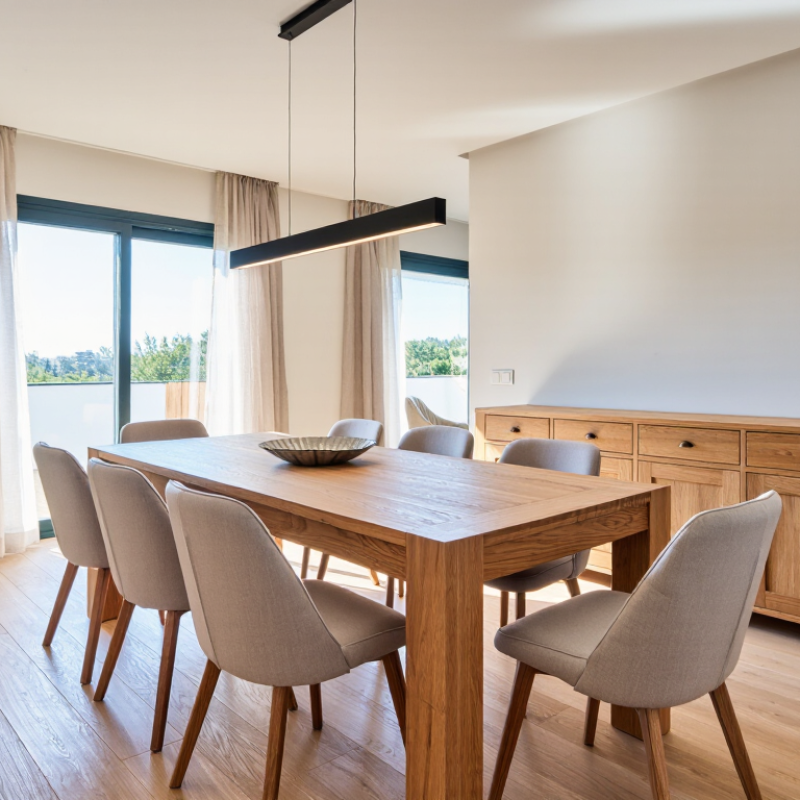
Fit comes first. A table that looks balanced in a showroom may crowd a real dining room. Measure the room, note doorways and walkways, and leave enough space to pull out chairs comfortably. Picture a rectangular oak table beneath a pendant light, with chairs that tuck in without scraping the wall. Small details matter. A quick sketch can help, though it will not replace careful measurements.

Materials and construction deserve equal attention. Ask what the table is made from, how its finish should be maintained, and whether replacement parts or repairs are available. Solid wood can often be refinished, but it may show marks and respond to changes in humidity. Upholstered chairs add softness, yet their fabric may need more frequent care. Custom work can also cost more and take longer than ready-made furniture. That trade-off is real. This guide explains what custom dining sets include, which decisions shape the final result, and what to check before ordering. A thoughtful choice should suit the room and daily routines, not just a photograph.
What Are Custom Dining Room Sets?

What Defines a Custom Dining Room Set?

A custom dining room set is defined by choices made for a particular room, household, and way of eating. The table’s length, width, height, shape, and seating can be adjusted to suit the available space. For example, a round table may ease movement in a narrow dining area, while a rectangular one can fit neatly beside a long wall. Chair dimensions matter, too: seats should slide under the table without scraping, and diners need enough elbow room. Small details count.

Customization can also include wood species, upholstery, edge profiles, finishes, storage, and construction details. Some makers offer a menu of options; others adapt more of the design. So “custom” does not always mean every part is drawn from scratch. Ask which measurements and materials can actually change, and request finish samples when possible. A sample viewed under showroom lights may look different beside a home’s window. That is easy to overlook. A useful test is whether the final set solves a real constraint, such as an awkward doorway or a growing family, rather than simply adding options. More choice can bring higher costs, longer lead times, and decisions that are hard to reverse. Consider those trade-offs before placing an order.

Which Pieces Can a Custom Set Include?

What Are Custom Dining Room Sets?

Which Pieces Can a Custom Set Include?

A custom dining set can include more than a table and matching chairs. You might choose a dining table, side chairs, armchairs, a bench, or a mix that suits the room. A bench can tuck under one side, while upholstered chairs at the ends create a more anchored look. Measure the walking space, too; extra seats can make serving awkward.

Storage pieces are another option. A sideboard, buffet, china cabinet, or server can keep dishes, linens, and serving tools nearby. A narrow console may suit a tight room, but check its drawer clearance and nearby door swings. Not every room needs storage. Sometimes it becomes clutter.

Custom choices may also cover finishes, upholstery, table shape, extension leaves, and chair dimensions. Round tables can make conversation easier in compact rooms, while rectangular tables often fit longer spaces. Ask how an extension leaf is stored and how the fabric should be cleaned. Wood grain and stain can vary from samples, so request a physical sample when possible. A piece may look perfect online, then feel bulky at home; reconsidering its scale before ordering is worthwhile.

How Are Size, Materials, and Finishes Customized?

A custom dining room set starts with the room, not the table catalog. Measure the clear floor area, then allow roughly 36 inches around the table for chairs and walking space. Measure twice. If a doorway, radiator, or island interrupts that clearance, a smaller top may feel better than a larger one. For daily meals, consider how many people usually sit together, then add extension leaves if guests come occasionally.

Material choices shape both appearance and upkeep. Solid wood can be refinished, though its grain and color naturally vary. Veneer offers a consistent surface and can suit broad tabletops, but edges need thoughtful protection. Metal or stone details add contrast and weight. Think about chair use, too: tapered legs may look light, yet can feel cramped beside a wide apron. Small details matter.

Finishes can be adjusted for sheen, color, and texture. A matte finish softens glare near sunny windows; a glossier surface may show fingerprints more clearly. Ask to review a sample beside your flooring and wall color, ideally in morning and evening light. Samples are useful, but they rarely capture every change in grain or tone. That uncertainty is easy to underestimate. Choose a finish you can maintain, and confirm how the maker recommends cleaning it before ordering.

What Are Custom Dining Room Sets?

Custom dining room sets let you choose dimensions, materials, and finishes to suit your space and style. The chart shows common size ranges in inches; actual options vary by design and maker.

Materials and finishes: Sets may be made with solid wood, wood veneer, metal, or glass, depending on the design. Finish options can include oil, lacquer, or paint; the right choice depends on the material, desired look, and care requirements.

What Design Options Shape a Custom Dining Set?

Custom dining room sets are planned around a room, its daily use, and the people who gather there. The table’s shape is a major design choice. A round table encourages conversation and can suit a compact room, while a rectangular one often fits longer spaces. Measure the room with chairs pulled out, not tucked in. That small detail prevents cramped walkways.

Materials change both appearance and upkeep. Solid wood brings visible grain and can develop marks over time; stone creates a cooler, heavier surface that may need careful cleaning. Finish samples can look different in daylight than they do under warm evening lights. Check them at home. Not always easy.

Seating can also be tailored, from fully upholstered chairs to a bench on one side. Chair height, back support, and seat depth matter more than a matching silhouette. Storage leaves, pedestal bases, and rounded corners are useful options, but each involves trade-offs. A pedestal frees up legroom, though it may feel less stable on an uneven floor. Some choices look better in a sketch than in a busy dining room. Test proportions against the actual space before settling on a design.

What Factors Guide the Choice of a Custom Set?

What Are Custom Dining Room Sets?
What Factors Guide the Choice of a Custom Set?

A custom dining set is made or configured to suit a room, household, and preferred style. Start with the room’s usable dimensions, not just its wall-to-wall size. Allow space to pull out chairs and walk behind seated guests. Measure twice. A table that looks right in a showroom may feel crowded at home. Consider how many people usually eat together, then decide whether occasional guests need extra seating or an extension leaf.

Material and construction affect both appearance and upkeep. Solid wood can be repaired or refinished, while veneers may offer a different look and price point. Ask how joints are assembled and what care the finish needs. Comfort matters. Chair height, seat depth, and back support should work with the chosen table. If possible, test a sample chair for several minutes rather than judging it by appearance alone.

Tips: Bring a floor plan, doorway measurements, and photos of the room when discussing options. Check finish samples in daylight and evening light; colors can shift. Set a realistic budget that includes delivery and assembly, and leave room for one useful upgrade. A sample still may not match the finished piece exactly, so confirm specifications in writing.

What Are Custom Dining Room Sets? — What Factors Guide the Choice of a Custom Set?
Factor What to Consider How It Guides a Custom Set
Meaning of a custom set A dining set planned or configured to suit a particular room, household, or style. Choices may include the table, chairs, materials, finishes, dimensions, and seating arrangement. Clarifies which elements can be tailored rather than selecting every piece from a fixed matching collection.
Room dimensions and circulation Measure the dining area, including doorways and paths around the table. A common planning guideline is to allow about 36 inches between the table edge and nearby walls or furniture where possible. Helps determine the table’s maximum practical size while leaving space to pull out chairs and move around the room.
Household size and guests Consider the number of people who use the table daily and how often additional guests are seated. Guides the everyday seating capacity and whether an extendable table or extra chairs would be useful.
Table shape Rectangular tables often suit longer rooms; round or oval tables can work well in square spaces; square tables may suit compact dining areas. Balances seating needs with room layout, walkways, and the desired visual feel.
Table dimensions and legroom Compare the tabletop size and height with the room and chairs. Check that the table apron and legs leave enough space for seated diners. Improves comfort and helps ensure chairs fit beneath the table when not in use.
Extension options Leaf extensions can increase the table’s length for occasional gatherings, but require storage or an integrated mechanism. Offers flexible seating without requiring a large table to remain in place every day.
Materials and construction Solid wood, veneer, metal, glass, and combinations vary in appearance, weight, maintenance, and resistance to everyday wear. Helps match the set to the household’s durability expectations, maintenance preferences, and interior style.
Finish and color Consider how the finish coordinates with flooring, lighting, and nearby furniture, as well as how visible marks or wear may be. Creates a cohesive look and helps align the set with the room’s existing palette.
Chair comfort and upholstery Review seat height, back support, seat width, cushioning, and upholstery material. If possible, test chairs at a table of similar height. Supports comfortable everyday meals and helps ensure the chairs are practical to clean and maintain.
Care and daily use Think about spills, children, pets, frequency of use, and the care instructions for each surface and fabric. Guides choices toward finishes and upholstery suited to the household’s routine.
Budget and delivery access Account for the table, chairs, customization, delivery, assembly, and whether pieces can pass through hallways, stairways, and doorways. Helps keep the plan practical and reduces the risk of unexpected costs or access problems.

FAQS

What makes a dining room set custom?

Its dimensions, shape, seating, materials, or details are chosen for a particular room and household. Custom does not always mean every piece starts from scratch.

Which pieces can a custom set include?

Options may include a table, side chairs, armchairs, a bench, or storage furniture. You can mix pieces to suit the room. Small details matter.

How should I choose a table shape?

A round table can ease movement and conversation in a compact room. A rectangular table may fit better beside a long wall.

What should I measure before ordering?

Measure the room, walkways, doorway openings, and nearby door swings. Check that chairs slide under the table without scraping and leave enough elbow room.

Can I customize chairs and finishes?

Often, you can choose chair dimensions, upholstery, wood, stains, and edge profiles. Ask which options are actually adjustable. Samples can look different at home.

Is storage furniture useful in every dining room?

No. A sideboard or cabinet can keep dishes and linens nearby, but it may crowd a tight space. Sometimes it becomes clutter.

What should I ask about an extension leaf?

Ask where the leaf is stored and how it fits into the table. Check whether the larger table still leaves enough room to serve meals.

What trade-offs come with custom furniture?

More choices can mean higher costs, longer waits, and decisions that are hard to reverse. I might be overthinking the finish, but seeing a sample beside your window can help.

Conclusion

Custom Dining Room Sets are dining arrangements designed around a household’s space, needs, and personal style rather than a fixed selection of standard pieces. A set may include a table and chairs, with options such as benches, sideboards, or other complementary furniture. The combination can be tailored to suit everyday meals, entertaining, and the number of people who typically gather.

Customization can shape the table’s dimensions, materials, finishes, seating, and overall design. Choices such as wood, metal, upholstery, color, shape, and decorative details help create a coordinated look, while practical considerations guide the final selection. Room measurements, comfort, durability, maintenance, budget, and how the dining area will be used all matter. Considering these factors together helps ensure the finished set fits the room and supports both daily routines and special occasions.

Olivia

Olivia

Olivia is a dedicated marketing professional with a profound expertise in our company's products and services. With a background in strategic marketing and a passion for innovation, she plays a pivotal role in shaping our brand’s online presence. Olivia meticulously updates our company blog,......